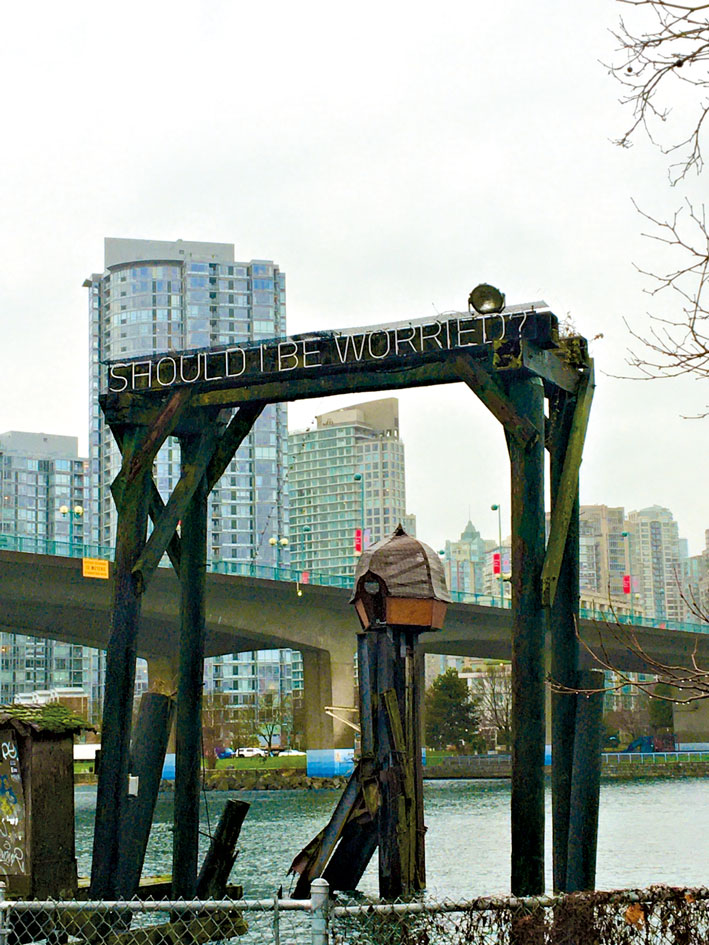
The National calls from the cbc in Toronto. They want me to be their “eyes on the ground.” I try not to laugh—I’m a part-time poet who lives in the suburbs. The woman on the phone asks what it’s like to live in a city in a forest. Does she mean here? In Toronto, she explains, that’s how they described it to her. She must be picturing deep woods with houses and corner stores tucked in among the paths, and roads more like wagon trails. When I drive past Winners and Costco I don’t think “forest.” No, I tell her, Prince George is a lot like the outskirts of Guelph. She falls silent and I amend it: Prince George is like Edmonton but planned by drunken loggers. She seems to like that better, so I carry on: it’s like living in a logging camp but with easier access to big box stores. What about the trees, she asks. Oh, they’re fine, I say, just shorter and mostly gone.

Henry Miller named Jean Giono as one of the writers he most admired (a list that includes Knut Hamsun, Blaise Cendrars, and Fyodor Dostoevsky). Giono, who lived most of his life in Manosque, the small Provençal town where he was born, begins An Italian Journey by admitting that he is not a traveller.
Geist is the Canadian magazine of ideas and culture—every issue brings together a sumptuous mix of fact + fiction, photography and comix, poetry, essays and reviews, and more of the weird and wonderful from the world of words.
Geist distills the Canadian imagination into a tactile, stackable, admireable, finishable and entirely shareable magazine.
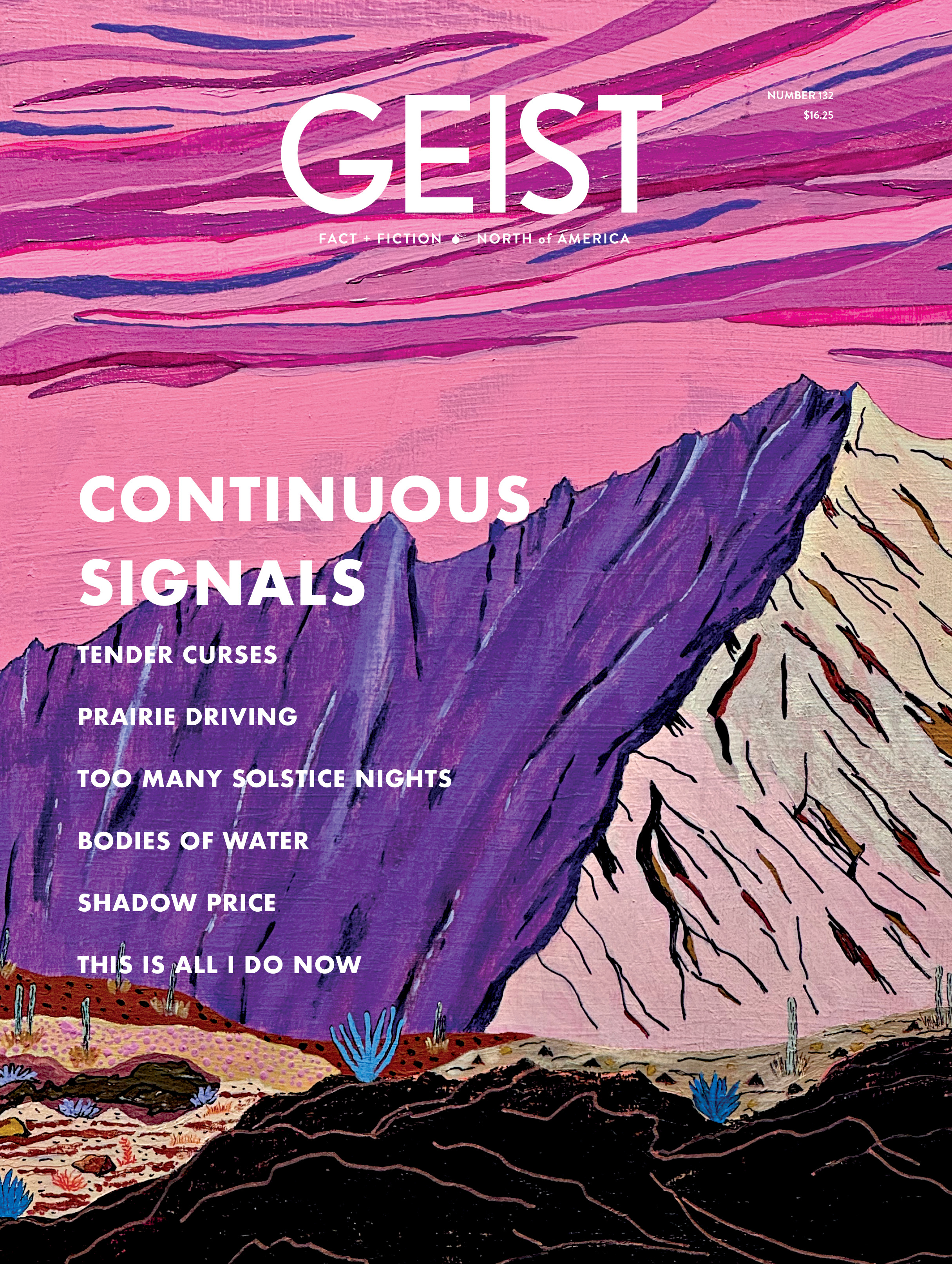
Notes & Dispatches from ANDREW UNGER, ADÈLE BARCLAY, KATHERINE J BARRETT, and WILLIAM BESSAI-SAUL; Fiction by SHERI DOYLE; Feature essays from ERIKA THORKELSON and KASIA VAN SCHAIK; Poetry by OWEN TORREY and MORGAN LEATHEM VENTURA; and much more!