fact



.jpg)






.svg)




What?
At home Frank and I are mutually sympathetic to the obligation to face one another and speak loudly; or, when we are away, to supply each other with new batteries when we forget them; but we have no defence against the independent wandering behaviour of our hearing aids. They are always someplace else. I probably have spent one percent of my life, close to a whole year, looking for the damned things.


.svg)
Snail Mail
I’m sorry, but you cannot mail any box with writing on it. I see. Perhaps you have a marker with which I can cross out the writing? No, we have no markers here. Perhaps you have some packing tape we can put over the writing? No, we have no packing tape here. How about some of that special blue-and-yellow postal service tape I see there? No, no señorita, you cannot put special blue-and-yellow postal service tape just anywhere.


Re-hanging the National Wallpaper
When I lived in Ottawa in the 1970s, I used to enjoy passing lazy afternoons at the National Gallery looking at the pictures. I remember how surprised I was when I first encountered the Group of Seven collection. These paintings were completely familiar—I’d seen them in schoolbooks and on calendars, posters, t-shirts, everywhere—yet at the same time they were completely unexpected.


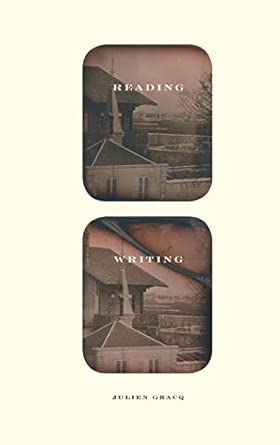
Reading Writing
The French writer Julien Gracq, who will be ninety-seven this year, is a living link to the era of Louis Aragon and André Breton. Gracq has avoided the kind of recognition that most modern writers crave (he refused the Prix Goncourt in 1951), and his body of work is little known on this continent.

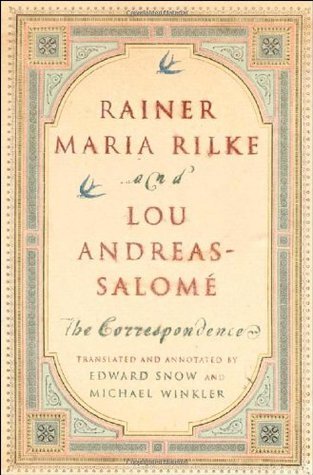
Rainer Maria Rilke and Lou Andreas-Salomé: The Correspondence
Rainer Maria Rilke and Lou Andreas-Salomé: The Correspondence (Norton) collects all of the extant letters exchanged by Rilke and Andreas-Salomé , a patron and fellow author, and (as the jacket copy describes her) “a key fin de siècle intellectual.”




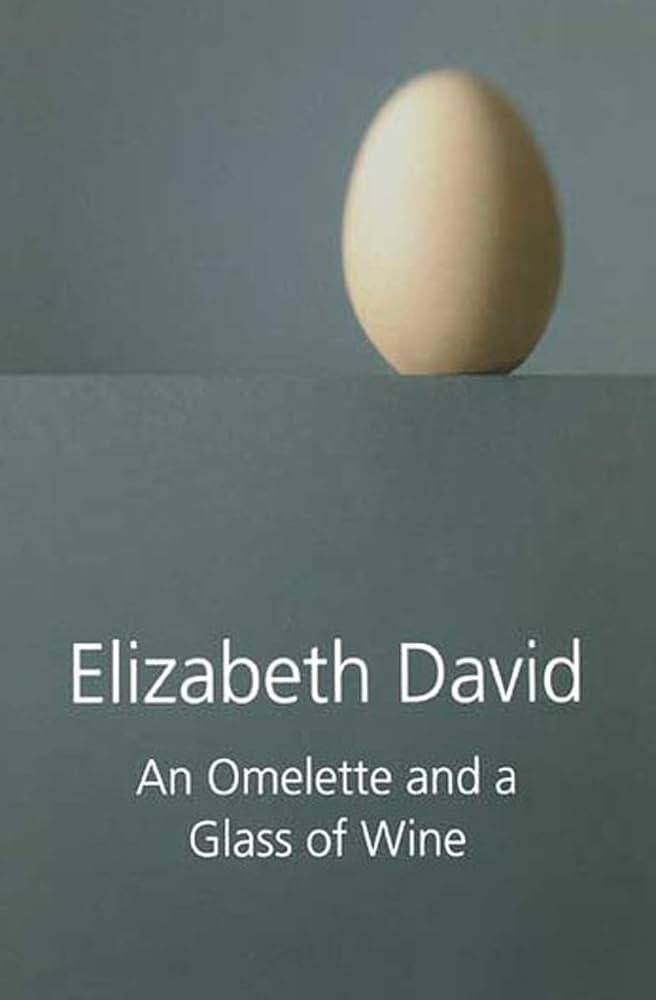
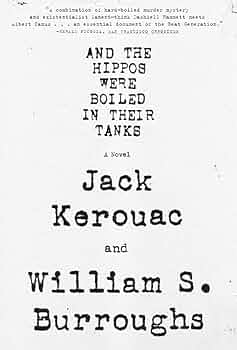
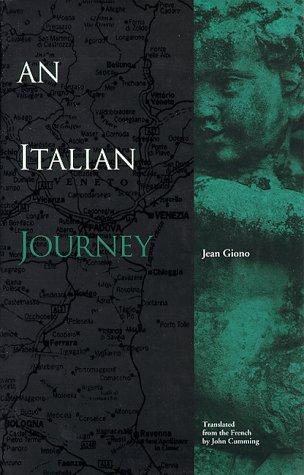
An Italian Journey
Henry Miller named Jean Giono as one of the writers he most admired (a list that includes Knut Hamsun, Blaise Cendrars, and Fyodor Dostoevsky). Giono, who lived most of his life in Manosque, the small Provençal town where he was born, begins An Italian Journey by admitting that he is not a traveller.