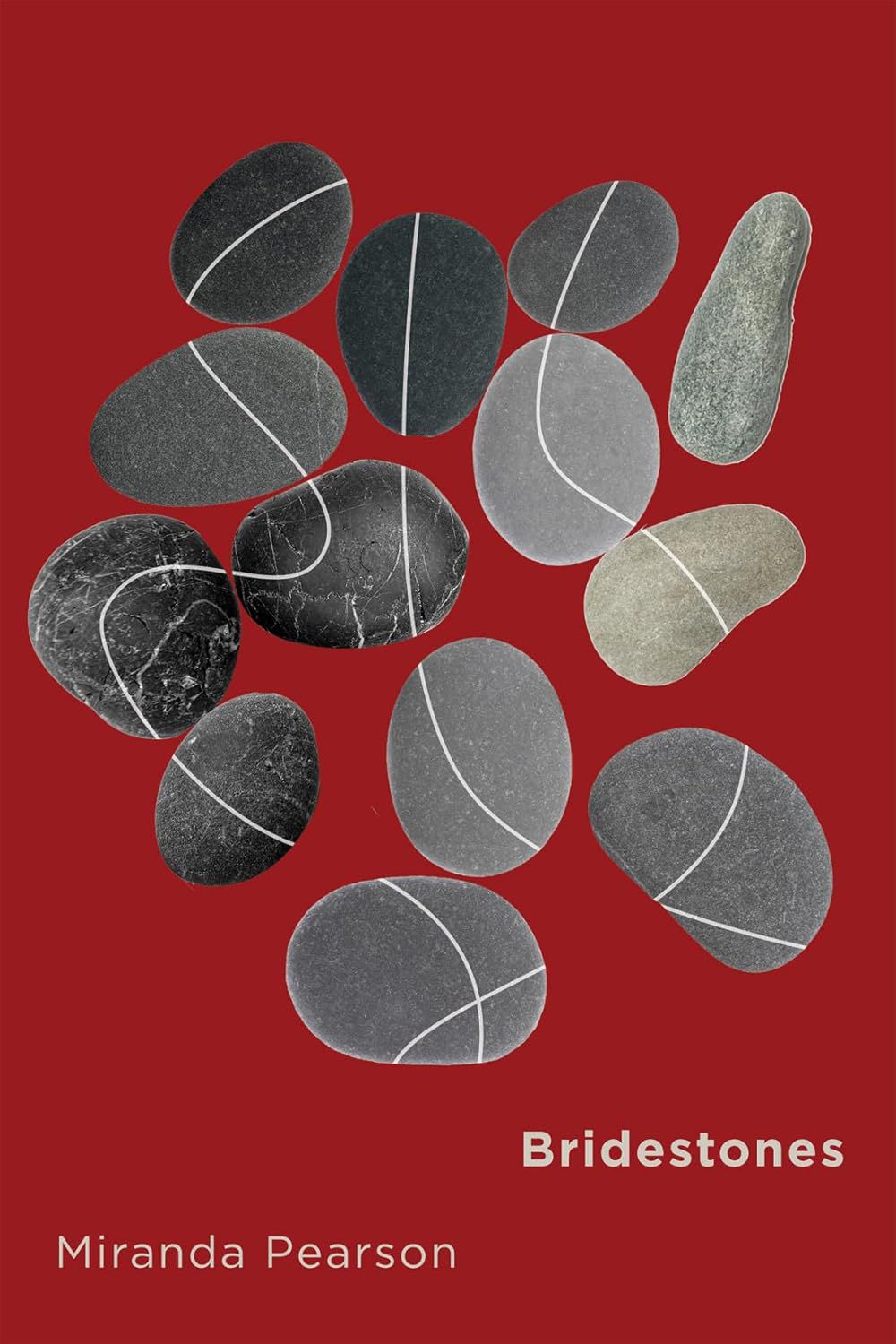
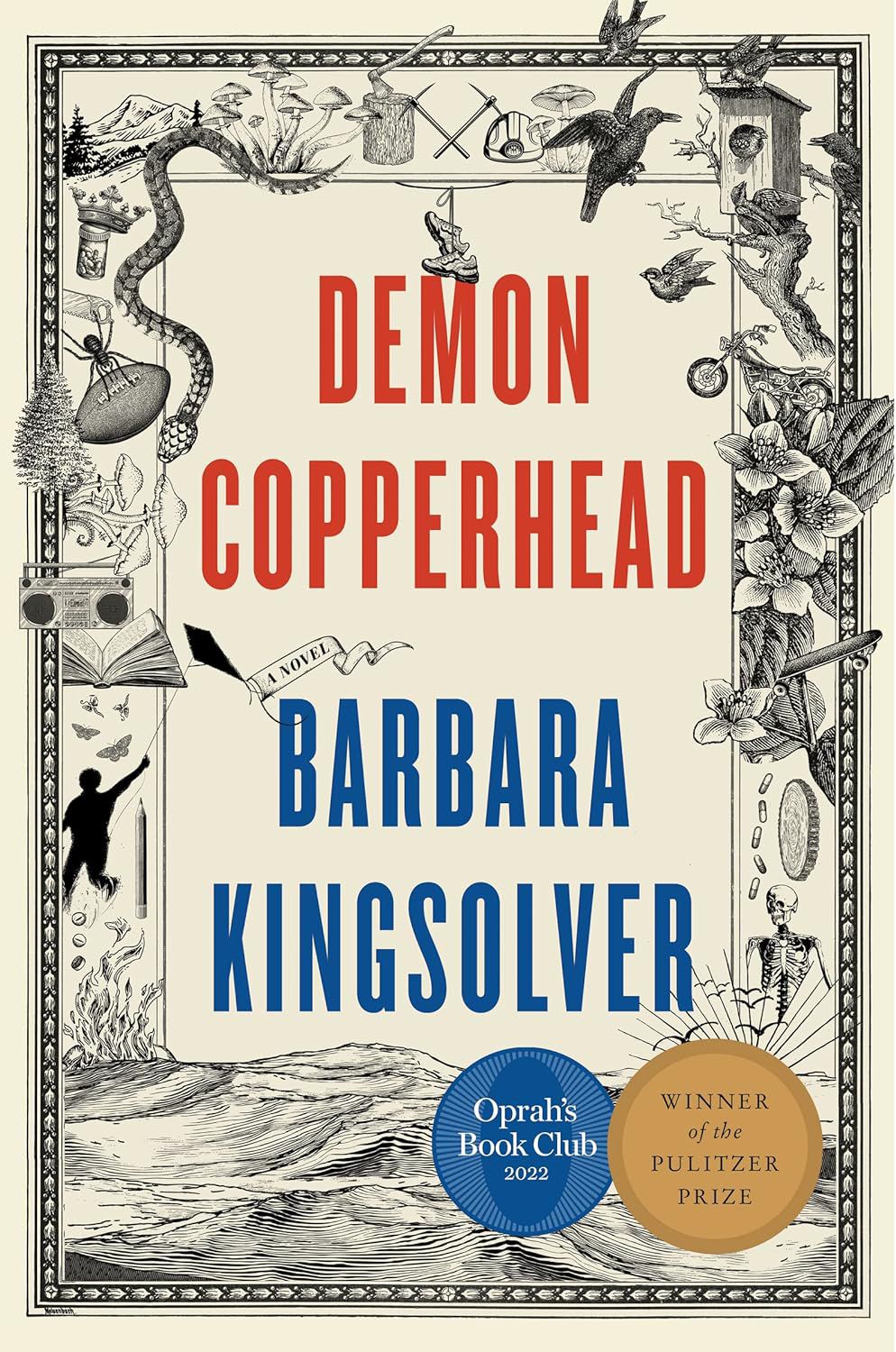
fact

.svg)
Everyday Stalinism: Ordinary Life in Extraordinary Times: Soviet Russia in the 1930s
Everyday Stalinism—certainly a tide to conjure with—by Sheila Fitz-Patrick (Oxford) is subtitled Ordinary Life in Extraordinary Times: Soviet Russia in the 1930s, and is proof that under certain circumstances the everyday is never normal. This is a h


Europeans
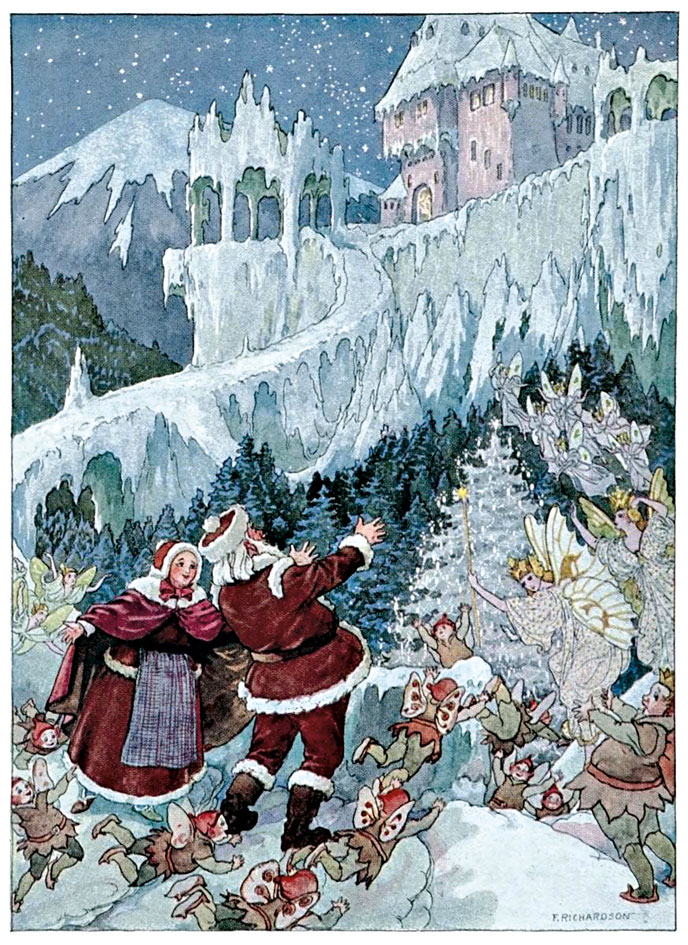
When I was in school in Argentina, Europe (our notion of Europe) was a vast and powerful conglomerate of culture and wisdom. From there, from across the Atlantic, came the history to which, magister dixit, we owed our existence; from there came the writers whose literature we read, the musicians whose music we listened to, the filmmakers whose films we watched.












.jpg)


Happy Hearts
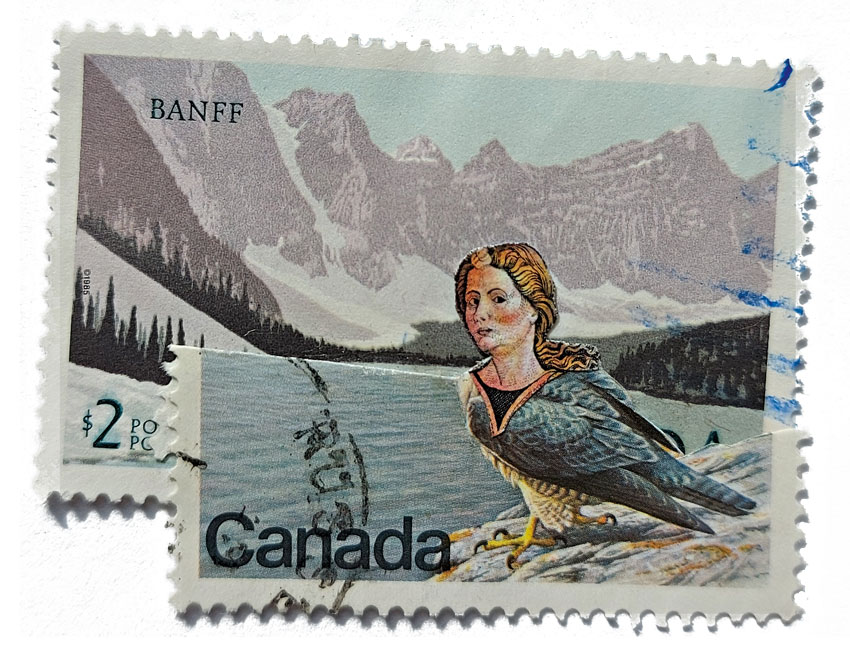
A series of lucky events seemed to conspire to bring me to Stettler, Alberta, one day in June 1998. Jennifer, the woman who was in between being my roommate and my girlfriend, was at the Banff Centre and I was on my way there from Saskatoon, where we lived. She had left me fifty dollars for gas so I could pick her up after her workshop, and I had accepted, hoping that when the time came I wouldn’t need it and I could give it back. I did need it, of course. I had been waiting for a cheque to come from the Globe and Mail for one of a series of drawings I was doing for them, and when it was time to leave, the cheque still hadn’t arrived. So I set out from Saskatoon with just a tank of gas and the fifty dollars.
Freewriting
Mary Meigs and her friend Lise Weil, editor of Beyond Recall, met regularly to do freewriting together. For each exercise they chose a line or phrase from the work of a poet they both admired; then, inspired by that "prompt," both women wrote for five or ten minutes, recording whatever came to mind (and hand).
.svg)















Seize the Fire: Heroism, Duty, and the Battle of Trafalgar
October 21, 2005, marked the 200th anniversary of the great naval battle of Trafalgar, an engagement in which Admiral Nelson and the British fleet ended Napoleon’s dream of invading England by crushing the French and Spanish fleets off the southwest



.jpg)