


fact

.svg)


.jpg)
















.jpg)


Re-hanging the National Wallpaper
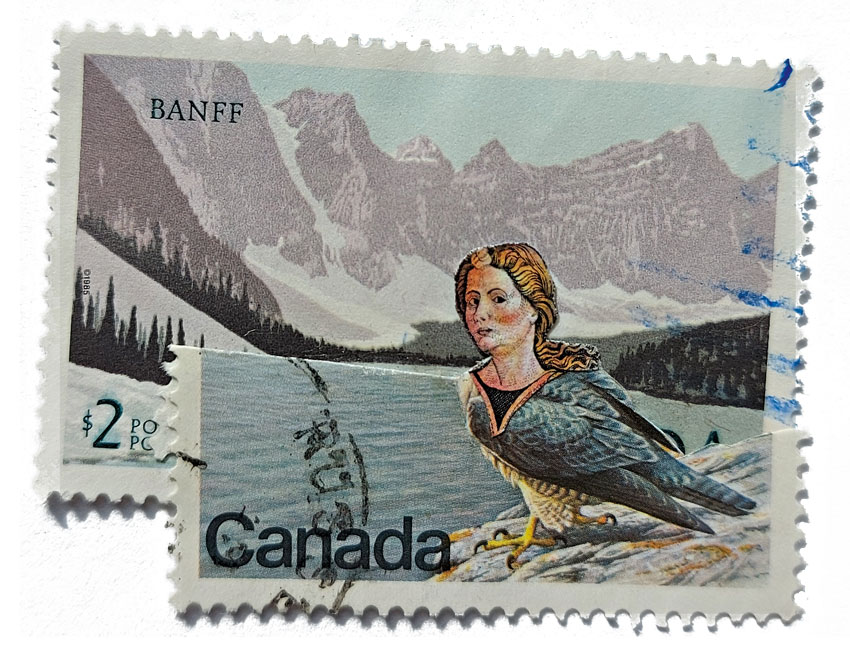
When I lived in Ottawa in the 1970s, I used to enjoy passing lazy afternoons at the National Gallery looking at the pictures. I remember how surprised I was when I first encountered the Group of Seven collection. These paintings were completely familiar—I’d seen them in schoolbooks and on calendars, posters, t-shirts, everywhere—yet at the same time they were completely unexpected.


Expecting Baby: 9 Months of Wonder, Reflection and Sweet Anticipation
Child-rearing manuals cropped up with a vengeance in the latter half of the twentieth century after Dr. Benjamin Spock produced Baby and Child Care—the all-time best-selling book in American history, second only to the Bible, despite advice such as “

.svg)
Everyday Stalinism: Ordinary Life in Extraordinary Times: Soviet Russia in the 1930s
Everyday Stalinism—certainly a tide to conjure with—by Sheila Fitz-Patrick (Oxford) is subtitled Ordinary Life in Extraordinary Times: Soviet Russia in the 1930s, and is proof that under certain circumstances the everyday is never normal. This is a h


Regeneration, The Eye in the Door and The Ghost Road
On my summer holiday I immersed myself in World War I, thanks to a friend who loaned me all three parts of Pat Barker's trilogy: Regeneration, The Eye in the Door and The Ghost Road (Plume/Penguin). This is a large and important work conveniently pac
River Queen: The Amazing Story of Tugboat Titan Lucille Johnstone
Eventually Lucille Johnstone told her story to Paul E. Levy, who made it into a book, River Queen: The Amazing Story of Tugboat Titan Lucille Johnstone (Harbour), an absorbing read even for people who think they’re not interested in reading about bus


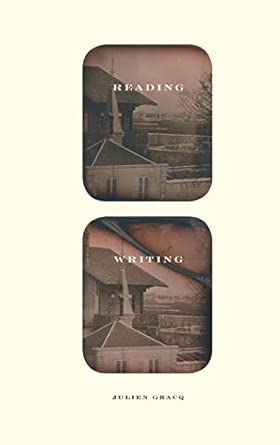
Reading Writing
The French writer Julien Gracq, who will be ninety-seven this year, is a living link to the era of Louis Aragon and André Breton. Gracq has avoided the kind of recognition that most modern writers crave (he refused the Prix Goncourt in 1951), and his body of work is little known on this continent.
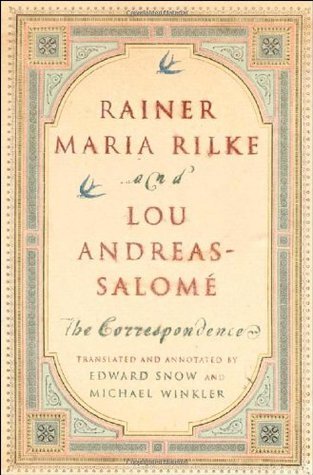
Rainer Maria Rilke and Lou Andreas-Salomé: The Correspondence
Rainer Maria Rilke and Lou Andreas-Salomé: The Correspondence (Norton) collects all of the extant letters exchanged by Rilke and Andreas-Salomé , a patron and fellow author, and (as the jacket copy describes her) “a key fin de siècle intellectual.”