fact

.svg)
Everyday Stalinism: Ordinary Life in Extraordinary Times: Soviet Russia in the 1930s
Everyday Stalinism—certainly a tide to conjure with—by Sheila Fitz-Patrick (Oxford) is subtitled Ordinary Life in Extraordinary Times: Soviet Russia in the 1930s, and is proof that under certain circumstances the everyday is never normal. This is a h


Europeans
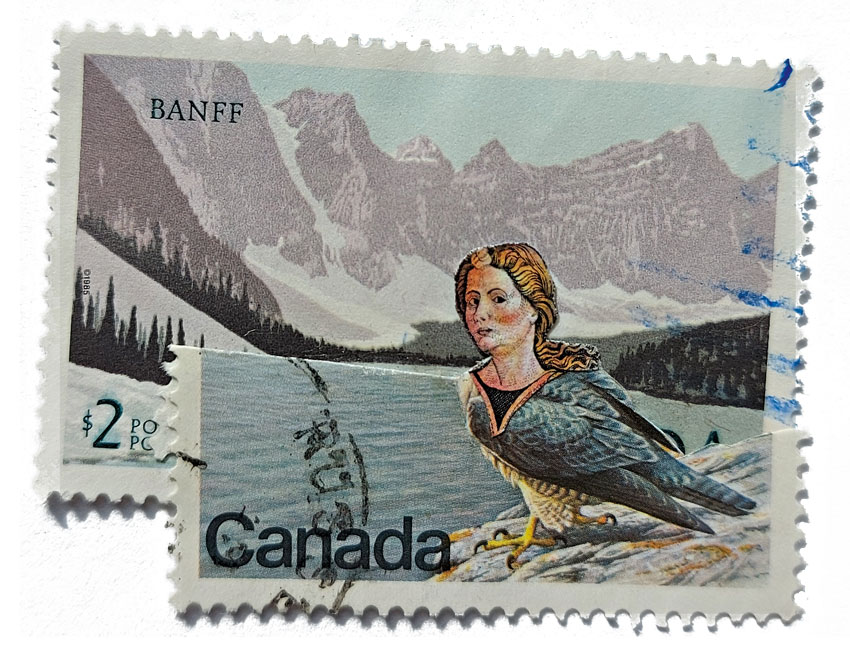
When I was in school in Argentina, Europe (our notion of Europe) was a vast and powerful conglomerate of culture and wisdom. From there, from across the Atlantic, came the history to which, magister dixit, we owed our existence; from there came the writers whose literature we read, the musicians whose music we listened to, the filmmakers whose films we watched.










.jpg)

.jpg)


Re-hanging the National Wallpaper
When I lived in Ottawa in the 1970s, I used to enjoy passing lazy afternoons at the National Gallery looking at the pictures. I remember how surprised I was when I first encountered the Group of Seven collection. These paintings were completely familiar—I’d seen them in schoolbooks and on calendars, posters, t-shirts, everywhere—yet at the same time they were completely unexpected.


Death So Noble: Memory, Meaning, and the First World War
Only now, eighty years after the war, are we given the explanation of that process of transformation, in the pages of Death So Noble: Memory, Meaning, and the First World War, by Jonathan F. Vance (UBC Press). Vance tells the story of a tiny country