


fact


Wimbledon Green: The Greatest Comic Book Collector in the World
The comics artist and writer Seth dropped in to Sophia Books in Vancouver in early November to promote his new book, Wimbledon Green: The Greatest Comic Book Collector in the World (Drawn & Quarterly), a sumptuous clothbound volume on whose cover the


What?
At home Frank and I are mutually sympathetic to the obligation to face one another and speak loudly; or, when we are away, to supply each other with new batteries when we forget them; but we have no defence against the independent wandering behaviour of our hearing aids. They are always someplace else. I probably have spent one percent of my life, close to a whole year, looking for the damned things.










.jpg)

.jpg)


Re-hanging the National Wallpaper
When I lived in Ottawa in the 1970s, I used to enjoy passing lazy afternoons at the National Gallery looking at the pictures. I remember how surprised I was when I first encountered the Group of Seven collection. These paintings were completely familiar—I’d seen them in schoolbooks and on calendars, posters, t-shirts, everywhere—yet at the same time they were completely unexpected.


.svg)









Seize the Fire: Heroism, Duty, and the Battle of Trafalgar
October 21, 2005, marked the 200th anniversary of the great naval battle of Trafalgar, an engagement in which Admiral Nelson and the British fleet ended Napoleon’s dream of invading England by crushing the French and Spanish fleets off the southwest



.png)
Ascending Peculiarity: Edward Gorey on Edward Gorey
Ascending Peculiarity: Edward Gorey on Edward Gorey (Harcourt), selected and edited by Karen Wilkin, is a collection of twenty-six years’ worth of interviews of Gorey, the eccentric American artist and writer. He was best known for his intricate pen-
.svg)
Artists & Writers Colonies: Retreats, Residencies and Respites for the Creative Mind
The title of Artists & Writers Colonies: Retreats, Residencies and Respites for the Creative Mind, by Gail Hellund Bowles (Blue Heron/Orca) just about says it. This is a well-conceived, well-organized and apparently well-researched list of getaways,

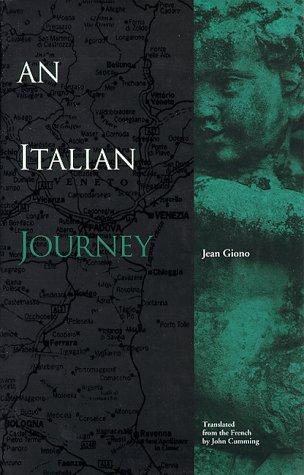
An Italian Journey
Henry Miller named Jean Giono as one of the writers he most admired (a list that includes Knut Hamsun, Blaise Cendrars, and Fyodor Dostoevsky). Giono, who lived most of his life in Manosque, the small Provençal town where he was born, begins An Italian Journey by admitting that he is not a traveller.