


fact

.svg)
Remembering Andy
The first time I met Andy Warhol he was wearing a black sweater and pants; the second time he was wearing white tie and tails (it was at Lincoln Center). The third time I met him, at Arthur, the disco opened in the sixties by Sibyl Burton, he was wearing a jersey made of silver mail.


Reading at a Time of Catastrophes
A few years after Kafka’s death, Milena, the woman he had loved so dearly, was taken away by the Nazis and sent to a concentration camp. Suddenly life seemed to have become its reverse: not death, which is a conclusion, but a mad and meaningless state of brutal suffering, brought on through no visible fault and serving no visible end. To attempt to survive this nightmare, a friend of Milena devised a method: she would resort to the books she had read, stored in her memory.
.jpeg)
Reading Up on War
Many years ago my father-in-law, who had been a British prisoner of war in Japan, gave me a small pocket anthology, The Knapsack, edited by the undeservedly forgotten Herbert Read. The book (which I have since passed on to my daughter) had been put together for the Ministry of War to be given to its soldiers: its proclaimed intention was "to celebrate the genius of Mars." Surprisingly, however, the general tone of the anthology was above all elegiac.











.jpg)

.jpg)


Re-hanging the National Wallpaper
When I lived in Ottawa in the 1970s, I used to enjoy passing lazy afternoons at the National Gallery looking at the pictures. I remember how surprised I was when I first encountered the Group of Seven collection. These paintings were completely familiar—I’d seen them in schoolbooks and on calendars, posters, t-shirts, everywhere—yet at the same time they were completely unexpected.













Seize the Fire: Heroism, Duty, and the Battle of Trafalgar
October 21, 2005, marked the 200th anniversary of the great naval battle of Trafalgar, an engagement in which Admiral Nelson and the British fleet ended Napoleon’s dream of invading England by crushing the French and Spanish fleets off the southwest

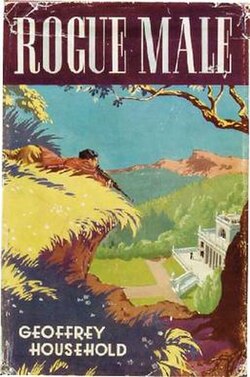


.svg)
Falling Off the Map: Some Lonely Places of the World
Some good Canadian with lots of hard currency should give Pico Iyer a ticket to Yellowknife, or Inuvik, or Pangnirtung or Come By Chance—almost anywhere in Canada, come to think of it. Iyer is the author of Falling Off the Map: Some Lonely Places of



Into the Looking-Glass Wood: Essays on Words and the World
Alberto Manguel, this country's man of letters par excellence, has a new collection: Into the Looking-Glass Wood: Essays on Words and the World (Knopf), consisting of twenty-two essays cast in the assured voice of a man who knows the world and is kno
In Plain Sight: Reflections on Life in Downtown Eastside Vancouver
In Plain Sight: Reflections on Life in Downtown Eastside Vancouver (Talonbooks), edited by Leslie Robertson and Dara Culhane, is a book of interviews that have been shaped into stories by seven women who tell us about their everyday lives. Once you g