

fact

All
dispatches
essays
reviews
columns
Liam MacPhail
The Beats Go On

On "Snyder: Collected Poems" by Gary Snyder and "He, Leo" by Ewan Clark

Michael Hayward
Baudelaire Through the Looking Glass

Michael Hayward on "The Baudelaire Fractal" by Lisa Robertson.

Cornelia Mars
Unwanted Journey

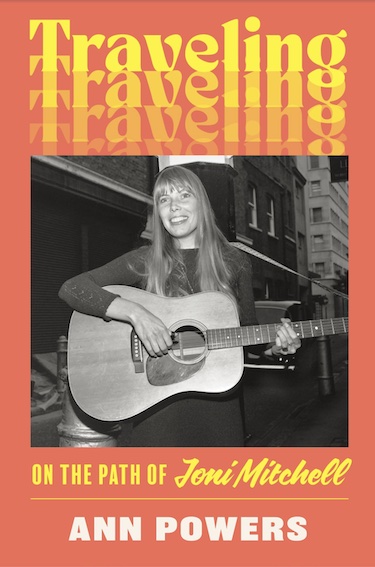
Review of "Traveling: On the Path of Joni Mitchell" by Ann Powers

Jennifer Gossoo
Things Discovered and Un-

To prove my wolfishness, I shucked my skate shoes and went barefoot on the pine needles

Lascia Tagen
Found in A Little Free Library

Review of "The Mayfair Bookshop" by Eliza Knight

KELSEA O'CONNOR
Building A Fibreshed

Review of "Fleece and Fibre: Textile Producers of Vancouver Island and the Gulf Islands" by Francine McCabe

Courtney Buder
Revenant

It might be time to find a new cemetery

Stephen Henighan
Power of Denial

The crowds learned that they could not act effectively in the present without confronting the past, specifically the historical treatment of indigenous people.

Stephen Henighan
Against Efficiency

Stephen Henighan argues that efficiency has become a core value that heightens social divisions.

Michał Kozłowski
New World

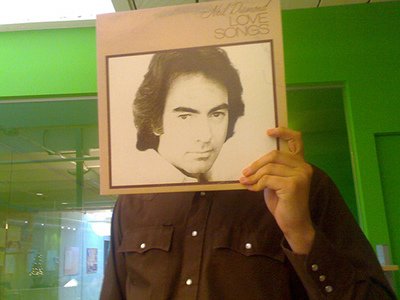
How do you have a good time in Warsaw? Sing Neil Diamond songs in a karaoke bar.

Soraya Roberts
Silver & Blue

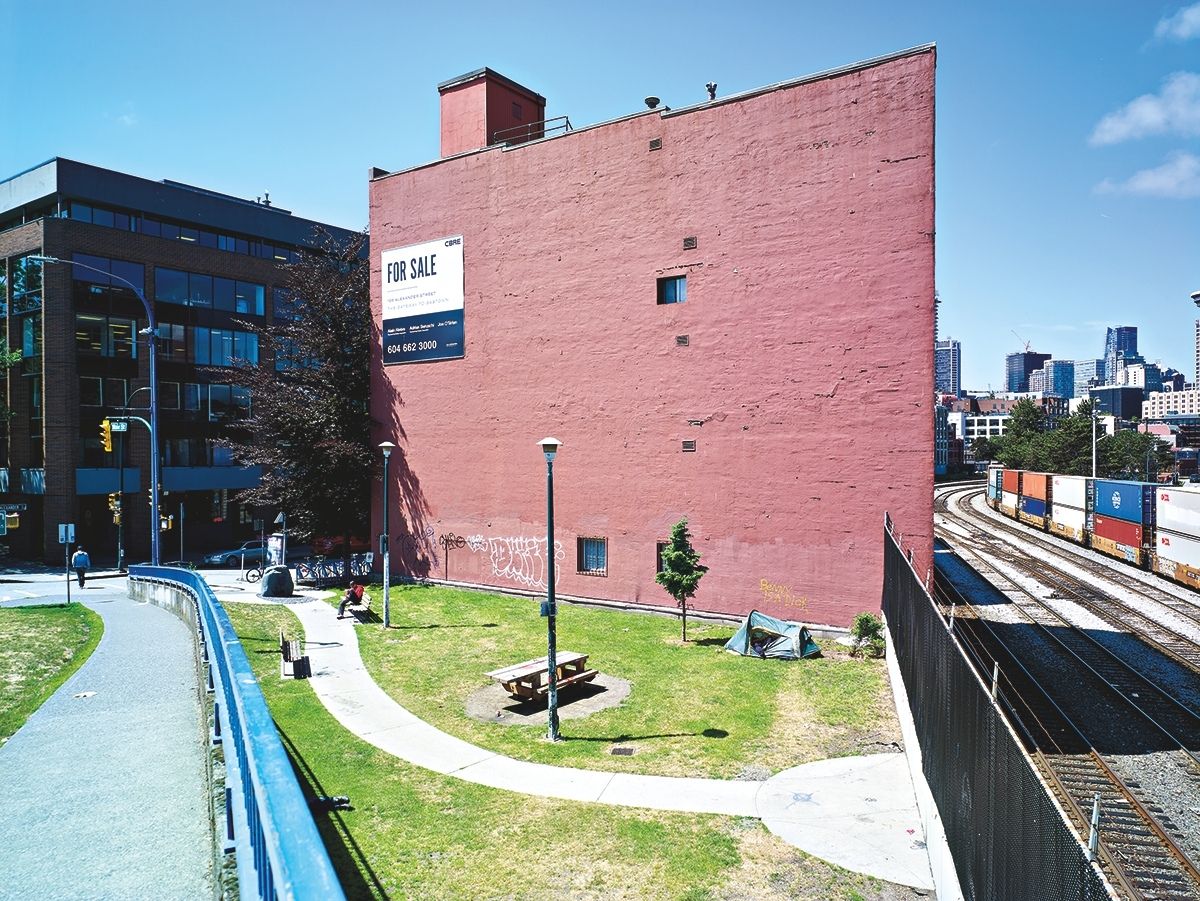
Did you hear that the railway built Canada? That’s probably all you heard


Ginger Ngo
Strathcona

That is how one shows true love

Angela Runnals
Food for Thought

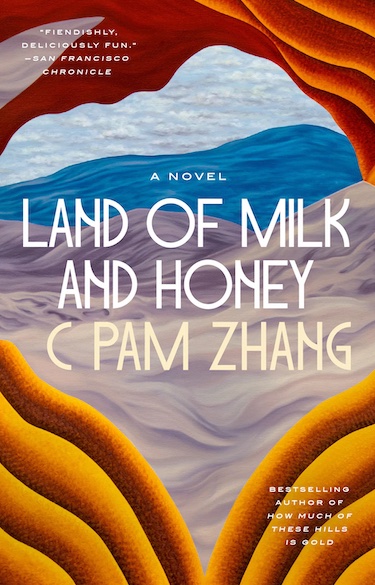
Review of "The Land of Milk and Honey" by C. Pam Zhang

Michael Hayward
Praise the Lairds

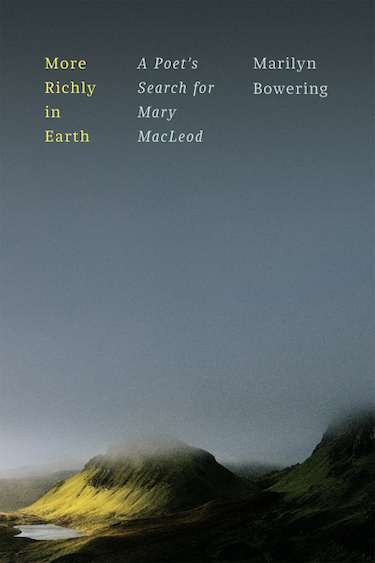
Review of "More Richly in Earth: A Poet’s Search for Mary MacLeod" by Marilyn Bowering

Patty Osborne
Inside A Tiny Tornado

Review of "Rebel Girl: My Life as a Feminist Punk" by Kathleen Hanna

Kris Rothstein
Surviving Hungary

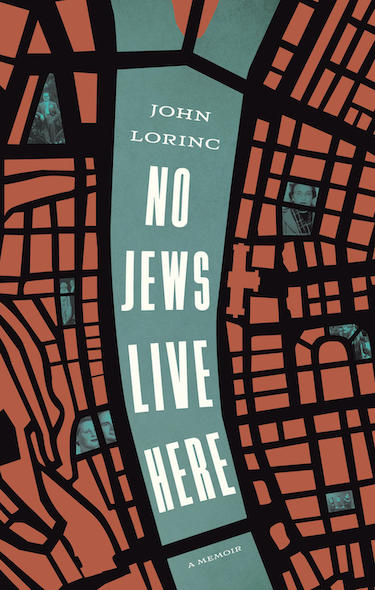
Review of "No Jews Live Here" by John Lorinc

Helen Humphreys
Botany

I want to see what it means, on a deep level, to stay put

Michael Hayward
Schrödinger’s Books

Michael Hayward on anticipating the arrival of Fitzcarraldo Editions

Randy Fred
Truth Walking

Randy Fred on the Indigenous Speakers Series at Vancouver Island University

Dayna Mahannah
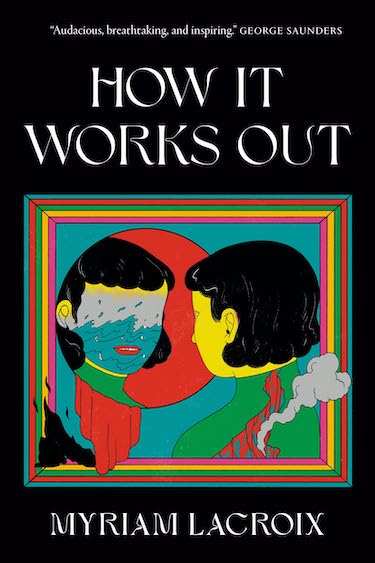
The Truth Shall Send You Down Eight Alternate Routes

Review of "How It Works Out" by Myriam Lacroix

D. G. Shewell
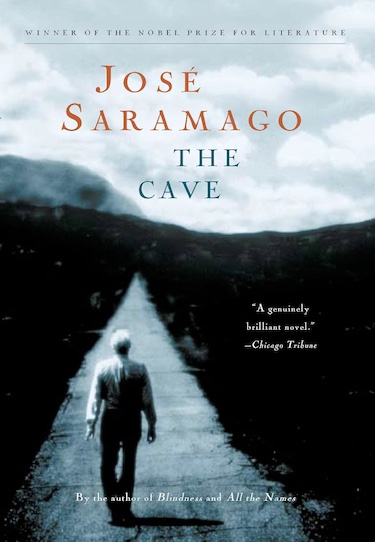
Found in a Cave

Review of "The Cave" by José Saramago

Annabel Lyon
Eye for Detail

What is at the heart of this Edith Iglauer profile by Giller nominee Annabel Lyon? Hint: Ice Road Truckers.

Mary Schendlinger
In Memoriam: Edith Iglauer, 1917 - 2019
Michael Hayward
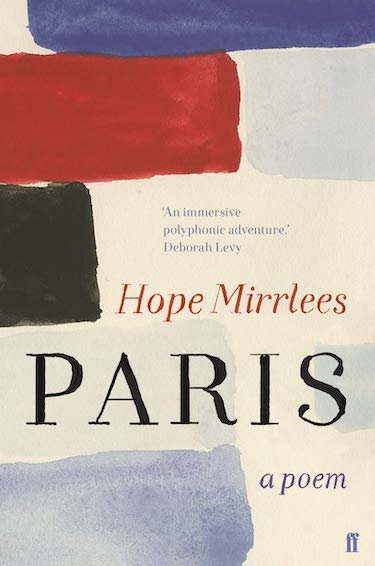
We'll Always Have Paris

Review of "Paris: A Poem" by Hope Mirrlees

Jennifer Gossoo
Fact
Things Discovered and Un-

To prove my wolfishness, I shucked my skate shoes and went barefoot on the pine needles

Courtney Buder
Fact
Revenant

It might be time to find a new cemetery

Michał Kozłowski
New World

How do you have a good time in Warsaw? Sing Neil Diamond songs in a karaoke bar.

Ginger Ngo
Fact
Strathcona

That is how one shows true love

Helen Humphreys
Fact
Botany

I want to see what it means, on a deep level, to stay put

Mary Schendlinger
In Memoriam: Edith Iglauer, 1917 - 2019
Sadie McCarney
Fact
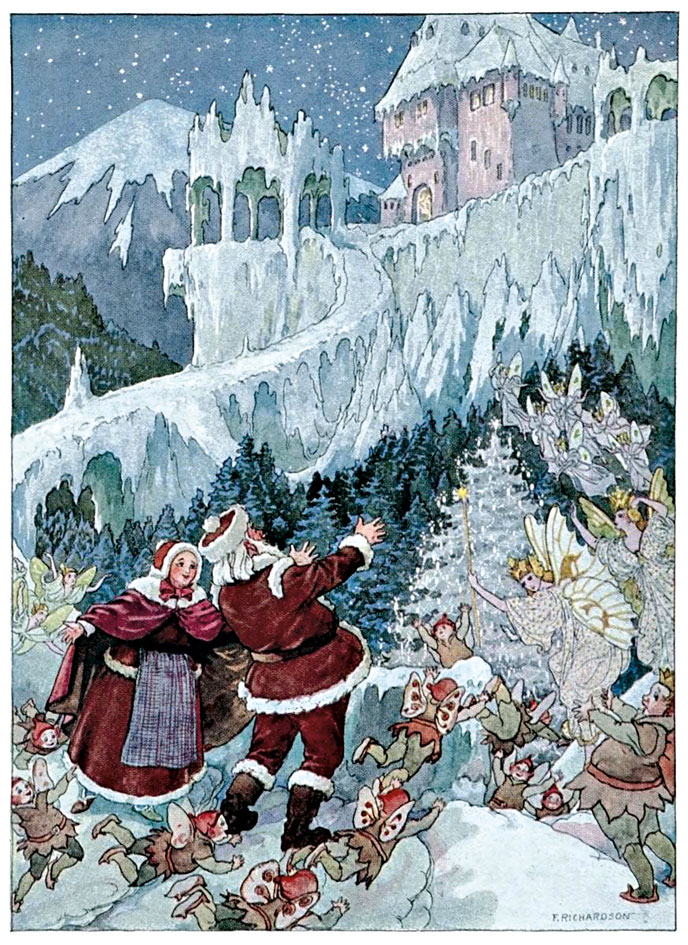
Christmas in Lothlórien

It was a gruesome war, Santa added in Papyrus font, but the forces of Good eventually emerged victorious

Madeleine Pelletier
Fact
Dummies Raising Goats

Time to call a professional

Rose Divecha
Fact
Clearing Out My Mother's House

The large supply of nine-volt batteries suddenly made sense

S.I. Hassan
Fact
Becoming Canadian

I traffic deep time in a great storm, guilty of ignorance and omission

Adrian Rain
Fact
Schrödinger’s Kids

The log jam is tall and wide and choosing wrong means we don’t make it home

Dayna Mahannah
Fact
The Academy of Profound Oddities

The fish is a suspended phantom, its magenta skeleton an exquisite, vibrant exhibit of what lies beneath

Kelly Bouchard
Fact
After the Flames

A wildland fighter witnesses an old burn's second act

ERNIE KROEGER
Fact
Acoustic Memory

Memories sneak up, tiptoe quiet as a cat. Boom like a slapshot

J.R. Patterson
Fact
True at First Flight

The unmistakable buzz of an approaching aircraft is enough to send my family onto the lawn

Eimear Laffan
Fact
The Trap Door

This invertebrate does not go looking for prey

rob mclennan
Fact
Elizabeth Smart’s Rockcliffe Park

For the sake of the large romantic gesture

Sara de Waal
Fact
Little Women, Two Raccoons

Hit everything dead on, even if it’s big

Margaret Nowaczyk
Fact
Metanoias

The names we learn in childhood smell the sweetest to us

Ian Roy
Fact
My Body Is a Wonderland

Maybe my doctor has two patients named Ian Roy, and I’ve been sent the other Ian’s file

Sara Graefe
Fact
My Summer Behind the Iron Curtain

No Skylab buzz in East Germany.

Sara Cassidy
Fact
The Lowest Tide

Nature’s sanctity is the only portal to the future.

Kathy Page
Fact
The Exquisite Cyclops

A writer roams her sleepscape in search of the extraordinary subconscious

Hollie Adams
Fact
A Partial List of Inconvenient Truths

In search of a big picture at the end of the singular world

David Sheskin
Fact
PRESS 1 IF

PRESS 1 IF YOU THINK YOU MAY HAVE HEARD THE BIG BANG.

DAVID COLLIER
The Last Grain Elevator in Regina

When you live in Saskatoon, you find yourself caring more about the details of grain farming then you did when you lived in Toronto or Windsor.

Stephen Osborne
The Great Game

The British called it the Great Game. The Russians called it Bolshoya Igra. The playing field was, and still is, Afghanistan.

HAL NIEDZVIECKI
The Life and Death of Zadie Avrohom Krolik

Hal Niedzviecki com­mem­o­rates his Jewish grand­fa­ther—a heavy drinker, a bad driver and a Polish refugee.

Ola Szczecinska
Symbiosis in Warsaw

Ola Szczecinska returns to Warsaw to visit her grandmother, and to keep from losing her memories.

M.A.C. Farrant
Strange Birds

We don’t know why the budgie did it. He must have been unhappy. It can’t have been easy for him—pecking the bell, hanging about on the pole.

Ivan Coyote
If I Was a Girl

Femme girls get free Slurpees, but boyish ladies get free cavity searches at the border.

D.M. FRASER
Surrounded by Ducks

D.M. Fraser on the myth of cultural identity.

Daniel Francis
Red Scare

The Bolshevists are coming! The Bolshevists are coming! Daniel Francis recounts Canada's close call with a revolution.

David L. Chapman
Postcolonial Bodies

Mastery of the self

Patty Osborne
Beyond Recall

Patty Osborne reviews a collection of journal entries, correspondence and other writings produced by Mary Meigs during the last years of her life.

MARY MEIGS
Being in the Company of Strangers

Our film is a semi-documentary. We are ourselves, up to a point; beyond this point is the "semi," a region with boundaries that become more or less imprecise, according to our view of them. In one sense, it is semi from beginning to end, for we would

M.A.C. Farrant
Attila the Bookseller

I answered the ad: SWM likes to dance. Called him up (said his name was Jay), suggested we meet at the local cafe Tuesday night, something different, a performance poet performing. Free coffee and cookies, the place rocking with middle-aged angst.

Bill MacDonald
An Ounce of Civet

Dinner with James Reaney—poet, playwright, professor—who is mistaken by a pair of Irish ladies for “that decadent writer Mordecai Richler.”

Daniel Francis
Double Life

The poet John Glassco lived in disguise, masquerading as a member of the gentry while writing pornography and reinventing his past.

Norbert Ruebsaat
Burma Media Event

Once while living in Burma (now Myanmar), Goran Simic and his brother, whose father was the Serbian ambassador, were stopped by rebels on their way to the international school in Yangon. They were hauled out of their diplomatic Mercedes limousine and forced at gunpoint to witness the beheading, at the side of the road, of a uniformed Myanmar government official.

Caroline Adderson
Lives of the House

A basement shrine in her 1920s home inspires Caroline Adderson to discover the past lives of her house and its inhabitants.

CONNIE KUHNS
Life After Virginity

A flower child looks back, to the time between Motown and acid rock.

Robert Hunter
Launching Greenpeace

A first-hand account of Greenpeace's first expedition to stop U.S. underwater nuclear testing on September 15, 1971.

Patrick Lane
Natural History

It started with a note I found tucked into an anthology of poems edited by Selden Rodman, a book I opened rarely, though there was a time when I was young I had read it so closely and so many times I had most of the poems memorized. The note lay in the spine of the book against a poem of Arthur Rimbaud's titled, I think, "The Twelve-Year-Old Poet." On it are four names printed out in my sure and youthful twenty-one-year-old hand: Baghdad, Koweit, Sakakah, Jaffa.

Sarah Leavitt
Small Dogs

Emily’s mother had unusually large eyes that bulged slightly and often turned red, and she stared at people in restaurants and stores. Sometimes Emily’s mother commented on these people’s conversations, or laughed at their jokes, as if she were part

Edith Iglauer
Sitting on Water

During my thirty years living on the waterfront of British Columbia, I have always had some sort of container in which to sit on the water. My first boat was a ten-foot dinghy that my late husband John Daly, a commercial salmon troller, equipped with a small electric motor to surprise me. He had the bizarre idea that I, a sometime canoeist from Ohio, could manoeuvre a boat on my own around our capacious Pacific coast harbour. The electric engine would be ideal for me, he thought. No rope to pull to start it up! No gasoline tank on board!

Bart Campbell
The Real Woman

And then I remembered an important event. It happened at a funeral in St. Paul’s chapel for a twenty-four-year-old prostitute who had overdosed in her Gastown hotel room. The small chapel was half full, and very quiet. There were a couple of fresh flower arrangements in front of the cheap, closed coffin. Most of the congregation were other prostitutes dressed in their working clothes, and a few pimps. One woman apologized to Brother Tim for having nothing black to wear, except for lingerie and a leather miniskirt.

Stephen Henighan
Third World Canada

Stephen Henighan compares the chaotic sprawl of "Third World" societies to the degradation of Canada's political, social and physical landscape.

Robert Everett-Green
The Main

Last summer, during a visit to Vancouver, my nine-year-old son climbed the pediment of a cast-iron traffic-light standard and put his palm on the glowing hand that warns pedestrians to stay put. My mother pointed out afterwards that my photograph of the event contained its own French caption, in the word visible over his shoulder: main.

Liam MacPhail
Fact
The Beats Go On

On "Snyder: Collected Poems" by Gary Snyder and "He, Leo" by Ewan Clark

Michael Hayward
Baudelaire Through the Looking Glass

Michael Hayward on "The Baudelaire Fractal" by Lisa Robertson.

Cornelia Mars
Fact
Unwanted Journey

Review of "Traveling: On the Path of Joni Mitchell" by Ann Powers

Lascia Tagen
Fact
Found in A Little Free Library

Review of "The Mayfair Bookshop" by Eliza Knight

KELSEA O'CONNOR
Fact
Building A Fibreshed

Review of "Fleece and Fibre: Textile Producers of Vancouver Island and the Gulf Islands" by Francine McCabe

Angela Runnals
Fact
Food for Thought

Review of "The Land of Milk and Honey" by C. Pam Zhang

Michael Hayward
Fact
Praise the Lairds

Review of "More Richly in Earth: A Poet’s Search for Mary MacLeod" by Marilyn Bowering

Patty Osborne
Fact
Inside A Tiny Tornado

Review of "Rebel Girl: My Life as a Feminist Punk" by Kathleen Hanna

Kris Rothstein
Fact
Surviving Hungary

Review of "No Jews Live Here" by John Lorinc

Michael Hayward
Fact
Schrödinger’s Books

Michael Hayward on anticipating the arrival of Fitzcarraldo Editions

Randy Fred
Fact
Truth Walking

Randy Fred on the Indigenous Speakers Series at Vancouver Island University

Dayna Mahannah
Fact
The Truth Shall Send You Down Eight Alternate Routes

Review of "How It Works Out" by Myriam Lacroix

D. G. Shewell
Fact
Found in a Cave

Review of "The Cave" by José Saramago

Michael Hayward
Fact
We'll Always Have Paris

Review of "Paris: A Poem" by Hope Mirrlees

Sarah Leavitt
English Passengers

A fast-paced seafaring adventure from my father’s bookshelf, in which a wealthy Londoner on a religious mission to Tasmania falls in with a crew of Manxmen smuggling tobacco, liquor and French porn.

Michael Hayward
The How and Why of It

Michael Hayward on three books that may make you a better writer.

Liam MacPhail
Fact
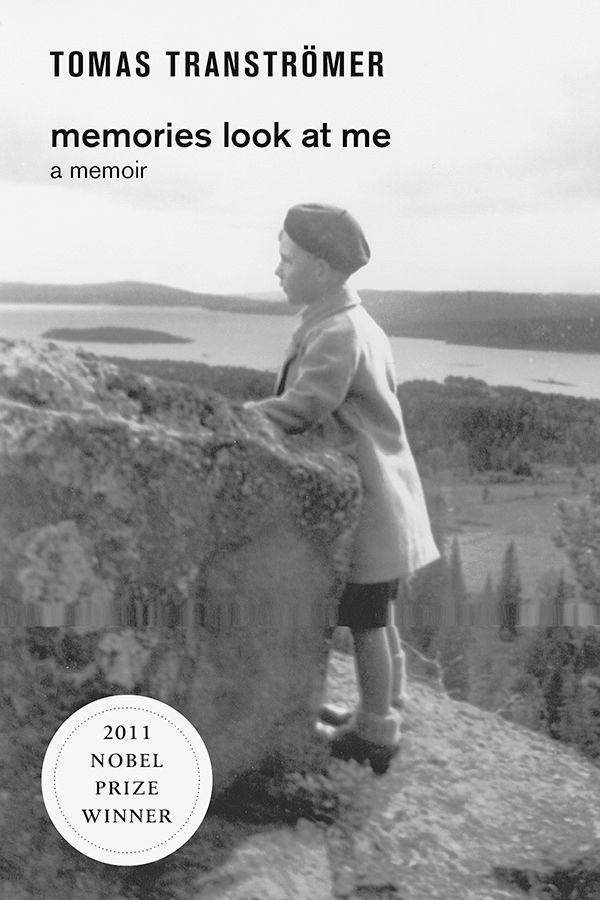
Memories of Two Boyhoods

Review of "Memories Look at Me" by Tomas Tranströmer

Michael Hayward
Seize the Fire: Heroism, Duty, and the Battle of Trafalgar

October 21, 2005, marked the 200th anniversary of the great naval battle of Trafalgar, an engagement in which Admiral Nelson and the British fleet ended Napoleon’s dream of invading England by crushing the French and Spanish fleets off the southwest
Michael Hayward
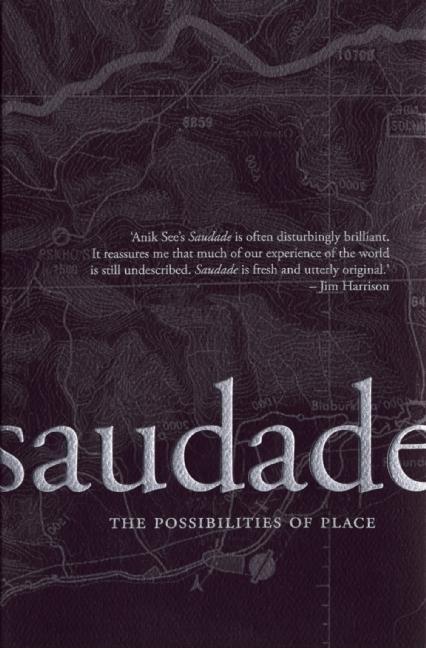
Saudade

Michael Hayward reviews Anik See’s Saudade, a collection of essays to plunge you deep into the meanings of travel and place.

Michael Hayward
Sarah Lund's Sweater

Michael Hayward reviews the sweater that Sarah Lund wears in every episode of Season 1 of The Killing, a serial crime drama.

Michael Hayward
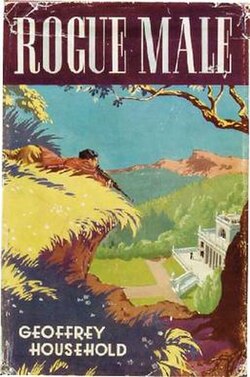
Rogue Male

Geoffrey Household’s 1939 novel Rogue Male—an old favourite of mine—follows a British sportsman as he returns from an unnamed central European country (read Germany), having failed in his attempt to assassinate the dictator who is that country’s head

Michael Hayward
Robinson Crusoe on Mars

The first time I saw Robinson Crusoe on Mars (Byron Haskin, Criterion DVD) was in the Cedar V Theatre, a Quonset-style, single-screen movie house on Lynn Valley Road in North Vancouver: 25 cents for a science-fiction double bill in 1965.

Michael Hayward
Road Novels, 1957–1960

Road Novels, 1957—1960 is an omnibus volume dressed in the standard Library of America livery: a burgundy cloth binding; a black dust jacket discreetly trimmed in red, white and blue; a bound-in ribbon marker.

Michael Hayward
Reading Writing

The French writer Julien Gracq, who will be ninety-seven this year, is a living link to the era of Louis Aragon and André Breton. Gracq has avoided the kind of recognition that most modern writers crave (he refused the Prix Goncourt in 1951), and his body of work is little known on this continent.

Stephen Henighan
Power of Denial

The crowds learned that they could not act effectively in the present without confronting the past, specifically the historical treatment of indigenous people.

Stephen Henighan
Against Efficiency

Stephen Henighan argues that efficiency has become a core value that heightens social divisions.

Alberto Manguel
Role Models and Readers

Ruskin's readers have the power to know that there is indeed room for Alice at the Mad Hatter's table.

Stephen Henighan
Residential Roots

"The hemispheric context reveals the roots of the residential school system...Destroying Indigenous cultures was a positivist policy from Patagonia to Dawson City."

Alberto Manguel
Reading the Commedia

An appreciation of Dante's "Commedia."

Alberto Manguel
Reach Out and Touch (Somebody's Hand)

There is no way to step back from the orgy of kisses without offending.

Rob Kovitz
Question Period

Rob Kovitz compiles the pressing questions of the day—"How are they gonna beat ISIS?" And, "On Twitter, who cares?"

Stephen Henighan
Becoming French

For an English-speaking Canadian who has been exposed to French from an early age, Paris is the most disorienting city in Europe. It is grandiose, but it is mundane.

Alberto Manguel
Art and Blasphemy

Faith seems to shiver when confronted by art.

Stephen Henighan
All in the Same CANO

For a brief period the band CANO gave shape to the dream of a bilingual Canadian culture.

Daniel Francis
Afghanistan

One thing Canadians have learned from our armed incursion into Afghanistan is that we do not have a vocabulary for discussing war or warlike events.

Daniel Francis
African Gulag

The atrocities were carried out in the name of some version of “civilization” that the Queen represented.

Daniel Francis
Acts of Resistance

"Resistance to wars is as much a Canadian tradition as fighting them." Daniel Francis discusses alternative histories, anti-draft demonstrations and the divisive nature of war.

Alberto Manguel
A Novel for All Times

Alberto Manguel's column from Geist 93 about how the most important Turkish novelist of modern times took over fifty years to reach English-speaking audiences.

Stephen Henighan
A Pen Too Far

On March 5, 2006, a group of people gathered in a small Ontario city in the expectation of having books signed by an author who was not present.

Alberto Manguel
A Fairy Tale for Our Time

What can the Brothers Grimm teach us about the state of our economic system? Everything.

Alberto Manguel
A Brief History of Tags

A reflection on the complex and often inexplicable process of bibliographic categorizations.

Alberto Manguel
Face in the Mirror

What does it mean to "be" yourself? The face reflected in the mirror is unrecognizable.

Annabel Lyon
Ethical Juices

Parables, cautionary tales, morality plays, allegories—the notion that we can study literary works as texts of ethics is as old as literature.

Stephen Henighan
Ethnic Babies

Stephen Henighan discusses the crude first steps to finding a new way to talk about racial reality.

Daniel Francis
Come to the Cabaret

The Penthouse, the notorious Vancouver night club, shares a history with several of the city's missing women cases.

Stephen Henighan
Chariots of China

A bibliophile's worst nightmare: being stuck on a plane with a terrible book. A book mistaken for a work of serious history.

Stephen Henighan
Caribbean Enigma

Unravelling the mysteries of Alejo Carpentier

Daniel Francis
Canada's Funnyman

A misogynist, a racist and an academic walk into a bar...

Annabel Lyon
Dark Hearts

I first tried to read J. M. Coetzee in 1994, when I was twenty-three. I failed.

Daniel Francis
Re-hanging the National Wallpaper

When I lived in Ottawa in the 1970s, I used to enjoy passing lazy afternoons at the National Gallery looking at the pictures. I remember how surprised I was when I first encountered the Group of Seven collection. These paintings were completely familiar—I’d seen them in schoolbooks and on calendars, posters, t-shirts, everywhere—yet at the same time they were completely unexpected.

Stephen Henighan
Reading the City

A city is an atmosphere defined by a history. A great city's streets may reflect its past, but only art makes a city's history, like its distinctive mood, present to the world.

Stephen Henighan
Bad Spellers

Mordecai Richler, in a withering put-down, once dismissed the novelist Hugh Garner as “a good speller.” In the summer of 2003, grinding through 160 Canadian books as a jury member for the Governor General’s Literary Award for Fiction in English, I learned that for many contemporary Canadian writers, Garner’s level of dubious distinction remains out of reach.

Stephen Henighan
Cakchiquel Lessons

Cakchiquel, the third most widely spoken of Guatemala’s twenty Mayan languages, is understood by more than 400,000 people. It is blessed with a larger population base than most Native American languages but is cursed by its location.

Stephen Henighan
Kingmakers

The Giller Prize is the most conspicuous example of corporate suffocation of the public institutions that built our literary culture. True, the Giller hasn’t done as much damage as the throttling of the book market by the Chapters-Indigo chain.

Stephen Henighan
Writing the City

As Canada is one of the world's most urbanized countries, a reader knowing nothing of contemporary Canadian writing might expect to find a surfeit of urban novels in our bookstores. Yet novels explicitly set in Canadian cities form a mere sliver of our novelistic production.

Stephen Henighan
Totalitarian Democracy

In 1982 I had my first argument with an American about Saddam Hussein. As an undergraduate at an American liberal arts college where everyone read the New York Times, I supplemented my reading by browsing the British papers.

Stephen Henighan
White Curtains

During the power cut that paralyzed Ontario in August 2003, the residents of my townhouse condominium complex began talking to each other. It was an event that took me by surprise.

Stephen Henighan
Translated from the American

In 1999, when I returned to Canada from London, England, to teach Spanish at the University of Guelph, I was handed an introductory Spanish textbook and told that two-thirds of my teaching load was basic language instruction. The textbook was American.

Stephen Henighan
The Insularity of English

Over dinner, I asked the Québécoise writer Sylvie Desrosiers, the author of successful novels for both adults and younger readers, whether her books had been translated into English. “Non, pas en anglais,” she said.

Stephen Henighan
Phenotypes & Flag-Wavers

Last summer, in anticipation of the opening round of the World Cup of soccer, the largely immigrant population of the narrow side street in Lisbon where I was renting an apartment draped their windows with flags. The green and red of Portugal predominated, but the blue planet on a gold-and-green background of Brazil also hung from some windows.

Marjorie Doyle
Child Traveller

The time had come for our marathon trek through Europe. I was ten, and hated it already.

Stephen Henighan
Lost Nationalities

It is not only the children of British mothers who have lost one of their nationalities; Great Britain, too, has lost a part of itself

Stephen Henighan
Witch Hunt

In a letter of 350 words, published in Geist 65, Michael Redhill calls me a racist once and implies that I am a racist on at least four other occasions. Redhill’s repetition of the ultimate insult of the postmodern era offers a fascinating, if depressing, window into how certain Canadian writers betray their responsibility to the society they live in.

Steven Heighton
Watching the Ducks in Chiang Mai

A greying, sunburnt American mis­sionary stopped us in the fruit market and invited us for a drink.

Alberto Manguel
Reading Beyond the Grave

"There are people," Chateaubriand comments, "who, in the midst of the collapse of empires, visit fountains and gardens"

Alberto Manguel
Idiot’s Fare

Dear George Szanto, I write in answer to your letter describing your difficulties in finding a publisher for your new novel.

Alberto Manguel
Reading at a Time of Catastrophes

A few years after Kafka’s death, Milena, the woman he had loved so dearly, was taken away by the Nazis and sent to a concentration camp. Suddenly life seemed to have become its reverse: not death, which is a conclusion, but a mad and meaningless state of brutal suffering, brought on through no visible fault and serving no visible end. To attempt to survive this nightmare, a friend of Milena devised a method: she would resort to the books she had read, stored in her memory.

Alberto Manguel
Reading Up on War

Many years ago my father-in-law, who had been a British prisoner of war in Japan, gave me a small pocket anthology, The Knapsack, edited by the undeservedly forgotten Herbert Read. The book (which I have since passed on to my daughter) had been put together for the Ministry of War to be given to its soldiers: its proclaimed intention was "to celebrate the genius of Mars." Surprisingly, however, the general tone of the anthology was above all elegiac.

Alberto Manguel
Europeans

When I was in school in Argentina, Europe (our notion of Europe) was a vast and powerful conglomerate of culture and wisdom. From there, from across the Atlantic, came the history to which, magister dixit, we owed our existence; from there came the writers whose literature we read, the musicians whose music we listened to, the filmmakers whose films we watched.

Alberto Manguel
Detective Samuel de Champlain

One of the pleasures of reading for no particular reason is coming across hidden stories, involuntary essays, samples of what someone once called “found literature”—as opposed, I imagine, to the literature that states its official identity on the cover. Leafing through a book on Samuel de Champlain, I came across, of all things, a detective story.

Alberto Manguel
Closing Time in the Gardens of the West

Cyril Connolly’s writings have been republished, as The Selected Works (Picador, 2002). I remember reading his work in my late adolescence and wondering how someone could write like that, in fragments and half-formed ideas, allowing his thoughts (and the reader’s) to go in a thousand directions at the same time, and yet lend his texts an overwhelming feeling of cohesiveness.

Alberto Manguel
Light and Dark

There are two big trees in my garden under which, when friends are visiting, we sit and talk, sometimes during the day, but usually at night. Especially at night, when talk seems less inhibited, wider-ranging, strangely more stimulating.

Alberto Manguel
Letter from France

For reasons I can't make out, organizers of congresses and literary get-togethers throughout the world appear to have been inspired by a common theme: America. In Germany, in Spain, in France, in Holland, writers are being asked to talk about this faraway place that is either an overwhelming country or an underdeveloped continent.