fact

.svg)
Everyday Stalinism: Ordinary Life in Extraordinary Times: Soviet Russia in the 1930s
Everyday Stalinism—certainly a tide to conjure with—by Sheila Fitz-Patrick (Oxford) is subtitled Ordinary Life in Extraordinary Times: Soviet Russia in the 1930s, and is proof that under certain circumstances the everyday is never normal. This is a h


Europeans
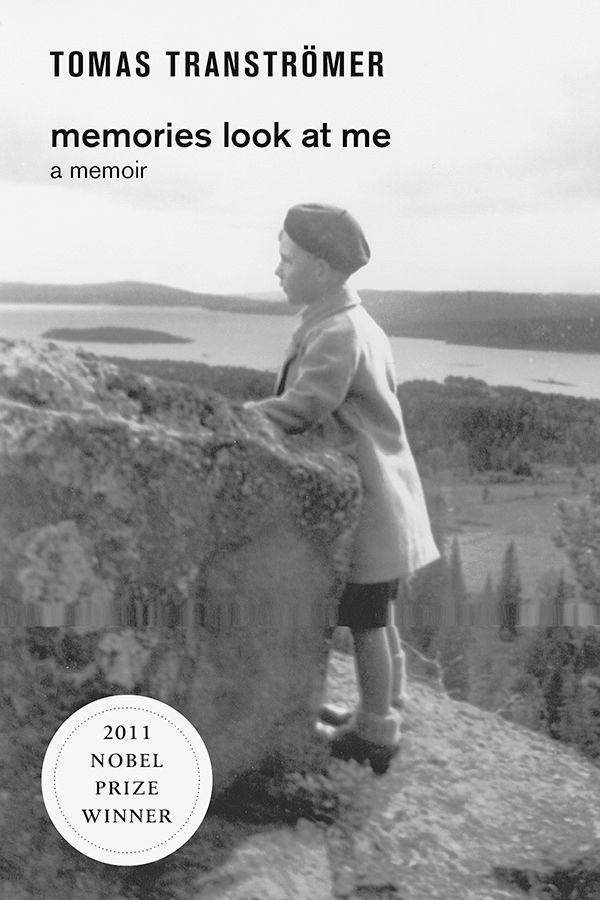
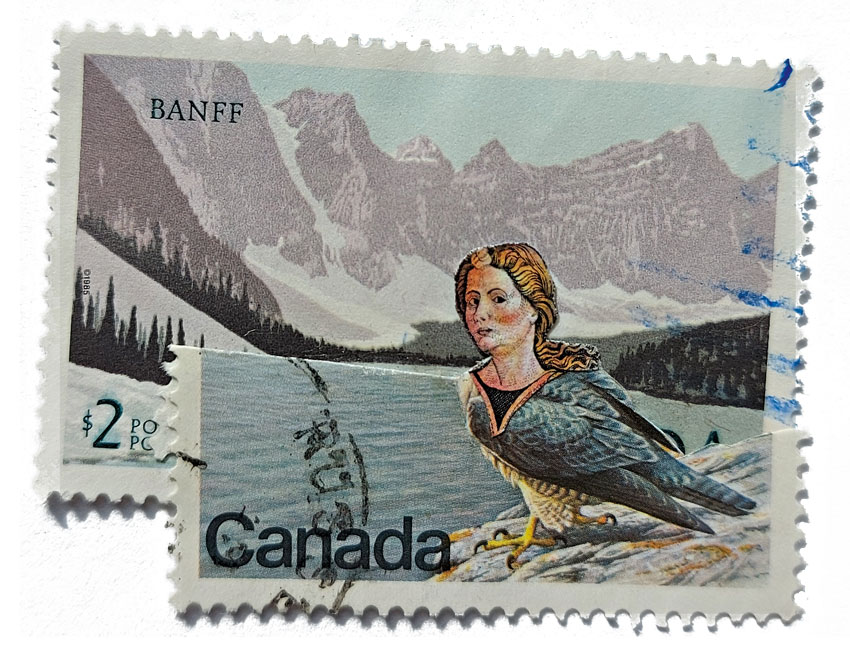
When I was in school in Argentina, Europe (our notion of Europe) was a vast and powerful conglomerate of culture and wisdom. From there, from across the Atlantic, came the history to which, magister dixit, we owed our existence; from there came the writers whose literature we read, the musicians whose music we listened to, the filmmakers whose films we watched.










.jpg)

.jpg)
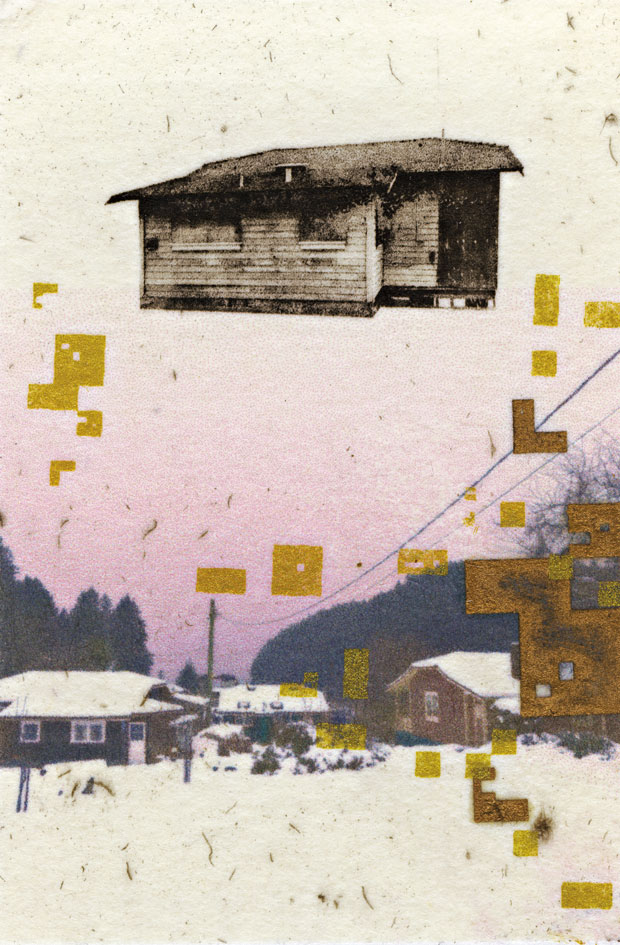


Re-hanging the National Wallpaper
When I lived in Ottawa in the 1970s, I used to enjoy passing lazy afternoons at the National Gallery looking at the pictures. I remember how surprised I was when I first encountered the Group of Seven collection. These paintings were completely familiar—I’d seen them in schoolbooks and on calendars, posters, t-shirts, everywhere—yet at the same time they were completely unexpected.


Yishu: Journal of Contemporary Chinese Art Quarterly
Yishu: Journal of Contemporary Chinese Art is a new quarterly published in Taiwan and Canada by the anonymously named Art and Collection Group Ltd., which turns out to be an ambitious group of editors, writers, curators and artists in several countri


Scurvy: How a Surgeon, a Mariner, and a Gentleman Solved the Greatest Medical Mystery of the Age of Sail
Stephen R. Bown’s Scurvy: How a Surgeon, a Mariner, and a Gentleman Solved the Greatest Medical Mystery of the Age of Sail (Thomas Allen) is an excellent account of life and lingering death on the high seas during the age of empires and oceanic voyag