fact


Trickster Makes This World: Mischief, Myth and Art
Lewis Hyde’s Trickster Makes This World: Mischief, Myth and Art (North Point Press) is a wonderful book of old stories about Hermes in Greece, Raven and Coyote in North America, Krishna in India and Eshu in West Africa, and new stories about Picasso,


.jpeg)


Transitions of a Still Life: Ceramic Work by Tam Irving
To reach a higher level, one must be both talented and brave, much like Tam Irving, one of Canada’s leading ceramic artists, whose life with clay is examined in Transitions of a Still Life: Ceramic Work by Tam Irving, by Carol E. Mayer (Anvil Press).










.jpg)

.jpg)
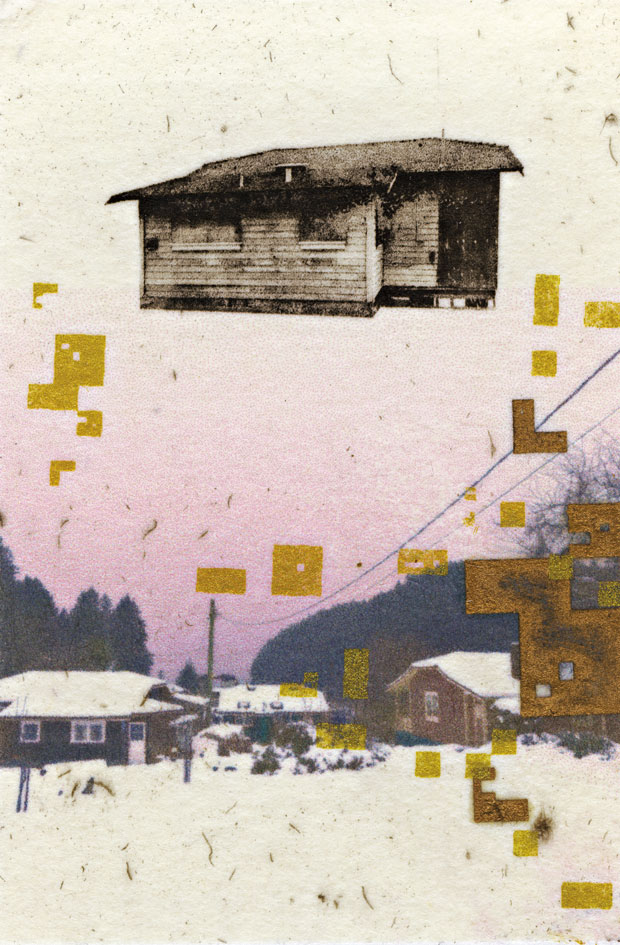


Re-hanging the National Wallpaper
When I lived in Ottawa in the 1970s, I used to enjoy passing lazy afternoons at the National Gallery looking at the pictures. I remember how surprised I was when I first encountered the Group of Seven collection. These paintings were completely familiar—I’d seen them in schoolbooks and on calendars, posters, t-shirts, everywhere—yet at the same time they were completely unexpected.


.svg)














Seize the Fire: Heroism, Duty, and the Battle of Trafalgar
October 21, 2005, marked the 200th anniversary of the great naval battle of Trafalgar, an engagement in which Admiral Nelson and the British fleet ended Napoleon’s dream of invading England by crushing the French and Spanish fleets off the southwest



Expecting Baby: 9 Months of Wonder, Reflection and Sweet Anticipation
Child-rearing manuals cropped up with a vengeance in the latter half of the twentieth century after Dr. Benjamin Spock produced Baby and Child Care—the all-time best-selling book in American history, second only to the Bible, despite advice such as “

.svg)
Everyday Stalinism: Ordinary Life in Extraordinary Times: Soviet Russia in the 1930s
Everyday Stalinism—certainly a tide to conjure with—by Sheila Fitz-Patrick (Oxford) is subtitled Ordinary Life in Extraordinary Times: Soviet Russia in the 1930s, and is proof that under certain circumstances the everyday is never normal. This is a h