


fact

.svg)


.jpg)










.jpg)


Re-hanging the National Wallpaper
When I lived in Ottawa in the 1970s, I used to enjoy passing lazy afternoons at the National Gallery looking at the pictures. I remember how surprised I was when I first encountered the Group of Seven collection. These paintings were completely familiar—I’d seen them in schoolbooks and on calendars, posters, t-shirts, everywhere—yet at the same time they were completely unexpected.


The Quest of the Folk: Antimodernism and Cultural Selection in Twentieth-Century Nova Scotia
In Ian McKay's book about Nova Scotia, The Quest of the Folk: Antimodernism and Cultural Selection in Twentieth-Century Nova Scotia (McGill-Queen's), post-modern theory collides head-on with Canadian social history, leaving sacred cows splattered all


The Pleasure of the Crown: Anthropology, Law and First Nations
The Pleasure of the Crown: Anthropology, Law and First Nations by Dara Culhane (Talonbooks) is the book for anyone who wants to understand the Delga-muukw decision—how it happened, what it means and why the Supreme Court ruling last December has frea


.png)
Ascending Peculiarity: Edward Gorey on Edward Gorey
Ascending Peculiarity: Edward Gorey on Edward Gorey (Harcourt), selected and edited by Karen Wilkin, is a collection of twenty-six years’ worth of interviews of Gorey, the eccentric American artist and writer. He was best known for his intricate pen-
.svg)
Artists & Writers Colonies: Retreats, Residencies and Respites for the Creative Mind
The title of Artists & Writers Colonies: Retreats, Residencies and Respites for the Creative Mind, by Gail Hellund Bowles (Blue Heron/Orca) just about says it. This is a well-conceived, well-organized and apparently well-researched list of getaways,

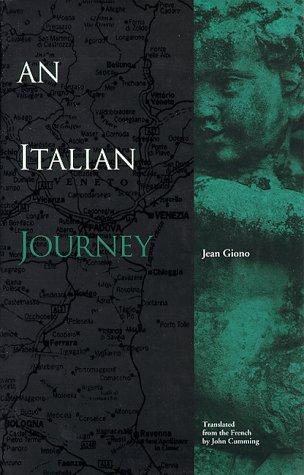
An Italian Journey
Henry Miller named Jean Giono as one of the writers he most admired (a list that includes Knut Hamsun, Blaise Cendrars, and Fyodor Dostoevsky). Giono, who lived most of his life in Manosque, the small Provençal town where he was born, begins An Italian Journey by admitting that he is not a traveller.