


fact

.svg)
Everyday Stalinism: Ordinary Life in Extraordinary Times: Soviet Russia in the 1930s
Everyday Stalinism—certainly a tide to conjure with—by Sheila Fitz-Patrick (Oxford) is subtitled Ordinary Life in Extraordinary Times: Soviet Russia in the 1930s, and is proof that under certain circumstances the everyday is never normal. This is a h


Europeans
When I was in school in Argentina, Europe (our notion of Europe) was a vast and powerful conglomerate of culture and wisdom. From there, from across the Atlantic, came the history to which, magister dixit, we owed our existence; from there came the writers whose literature we read, the musicians whose music we listened to, the filmmakers whose films we watched.










.jpg)

.jpg)
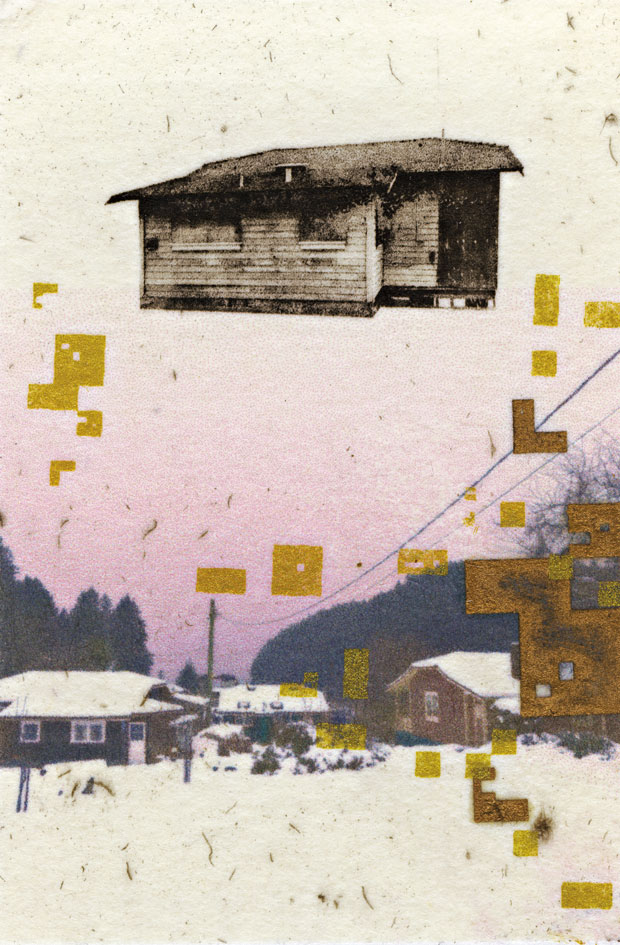


Re-hanging the National Wallpaper
When I lived in Ottawa in the 1970s, I used to enjoy passing lazy afternoons at the National Gallery looking at the pictures. I remember how surprised I was when I first encountered the Group of Seven collection. These paintings were completely familiar—I’d seen them in schoolbooks and on calendars, posters, t-shirts, everywhere—yet at the same time they were completely unexpected.











Seize the Fire: Heroism, Duty, and the Battle of Trafalgar
October 21, 2005, marked the 200th anniversary of the great naval battle of Trafalgar, an engagement in which Admiral Nelson and the British fleet ended Napoleon’s dream of invading England by crushing the French and Spanish fleets off the southwest



.svg)
Swimming to Antarctica: Tales of a Long-Distance Swimmer
On the Labour Day weekend a friend and I jumped into a secluded lake on an island in B.C. and I thought of Lynne Cox, author of Swimming to Antarctica: Tales of a Long-Distance Swimmer (Harcourt) because the lake had been stirred up by wind and rain

Spectacle of Empire: Marc Lecarbot's Theatre of Nepturne in New France
Jerry Wasserman has assembled the original text and two translations in Spectacle of Empire: Marc Lescarbot’s Theatre of Neptune in New France (Talon Books), a useful and amusing book filled with fascinating little-known facts. The colony at Port Roy
