fact

.svg)
Better Living In Pursuit of Happiness From Plato To Prozac
The recently published Better Living In Pursuit of Happiness From Plato To Prozac (Viking) by Mark Kingwell, a Canadian philosopher and intellectual celebrity, provides an in-depth analysis of our pleasure-centric society and the concept of happiness
Being Caribou: Five Months on Foot with an Arctic Herd
People who live in the North speak of leaving as “going outside.” I recently returned to the North after a lengthy absence and found myself reading two books about the effects of the “outside,” and about the things that brought me here in the first p


Basking Sharks: The Slaughter of BC's Gentle Giants
In 1995, New Star Books in Vancouver launched a series of short (about 100 pages), inexpensive books about nonmainstream subjects in the history and culture of British Columbia. The series is called Transmontanus (that’s “across the mountains” for th











.jpg)

.jpg)
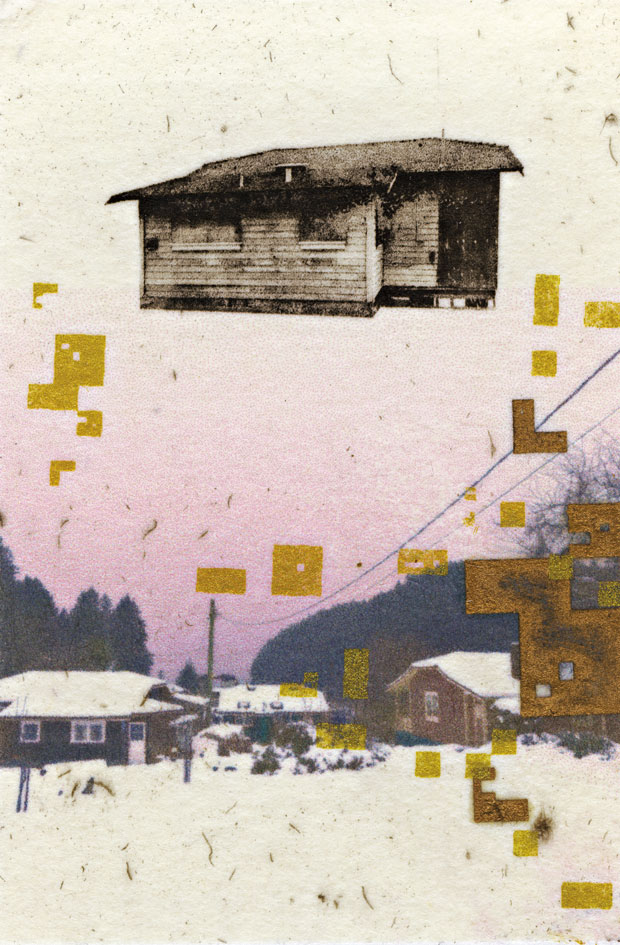


Re-hanging the National Wallpaper
When I lived in Ottawa in the 1970s, I used to enjoy passing lazy afternoons at the National Gallery looking at the pictures. I remember how surprised I was when I first encountered the Group of Seven collection. These paintings were completely familiar—I’d seen them in schoolbooks and on calendars, posters, t-shirts, everywhere—yet at the same time they were completely unexpected.


.svg)










Seize the Fire: Heroism, Duty, and the Battle of Trafalgar
October 21, 2005, marked the 200th anniversary of the great naval battle of Trafalgar, an engagement in which Admiral Nelson and the British fleet ended Napoleon’s dream of invading England by crushing the French and Spanish fleets off the southwest



Double Duty, Sketches and Diaries of Molly Lamb Bobak, Canadian War Artist
In 1945 Molly Lamb Bobak became Canada's first female war artist, but it took her three years of army life to win that appointment. During those years she kept a unique diary in the form of a handwritten newsletter, as she traveled back and forth acr


Diamonds Are Forever: Artists and Writers on Baseball
For the uninitiated, the poetic mysteries of baseball can seem elusive if not downright silly. Diamonds Are Forever: Artists and Writers on Baseball (Chronicle), a print version of the Smithsonian Institution exhibition of the same name, doesn’t set
Death So Noble: Memory, Meaning, and the First World War
Only now, eighty years after the war, are we given the explanation of that process of transformation, in the pages of Death So Noble: Memory, Meaning, and the First World War, by Jonathan F. Vance (UBC Press). Vance tells the story of a tiny country