


fact


.svg)
Burma Media Event
Once while living in Burma (now Myanmar), Goran Simic and his brother, whose father was the Serbian ambassador, were stopped by rebels on their way to the international school in Yangon. They were hauled out of their diplomatic Mercedes limousine and forced at gunpoint to witness the beheading, at the side of the road, of a uniformed Myanmar government official.


Bologna Erases Canada
Bologna, Italy, known as both “the Fat” and “the Red,” is a city to a make a bookish vacationer salivate. Less overrun by package tours than Rome, Florence or Venice, Bologna combines superb food with the wonderful bookstores that seem to be the inevitable companion of left-wing politics.








.jpg)

.jpg)


Re-hanging the National Wallpaper
When I lived in Ottawa in the 1970s, I used to enjoy passing lazy afternoons at the National Gallery looking at the pictures. I remember how surprised I was when I first encountered the Group of Seven collection. These paintings were completely familiar—I’d seen them in schoolbooks and on calendars, posters, t-shirts, everywhere—yet at the same time they were completely unexpected.


.svg)








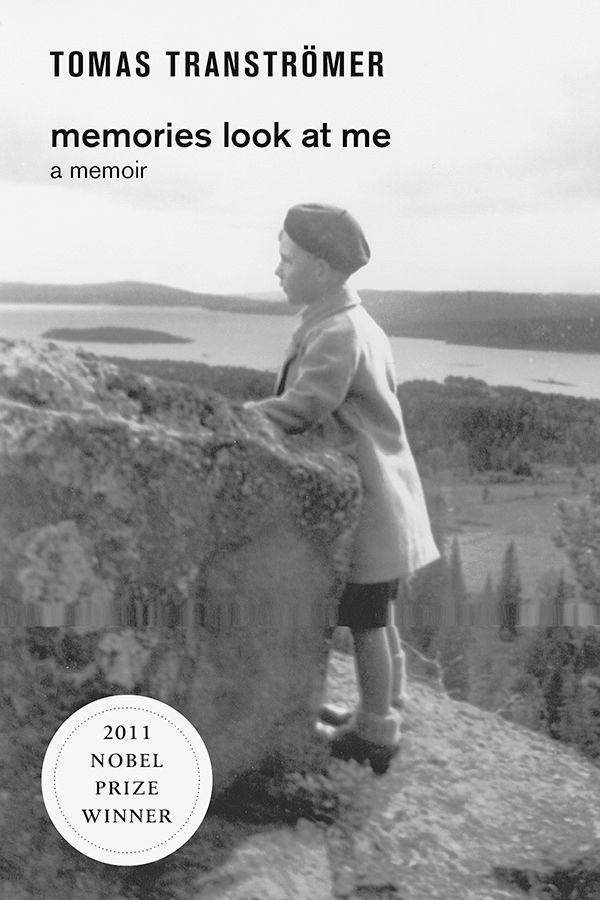

Seize the Fire: Heroism, Duty, and the Battle of Trafalgar
October 21, 2005, marked the 200th anniversary of the great naval battle of Trafalgar, an engagement in which Admiral Nelson and the British fleet ended Napoleon’s dream of invading England by crushing the French and Spanish fleets off the southwest
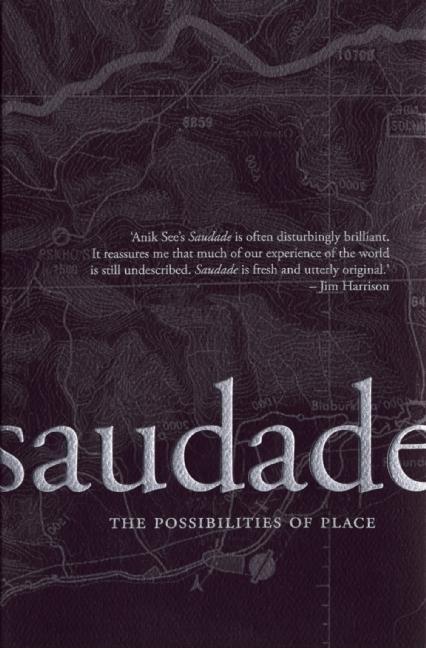

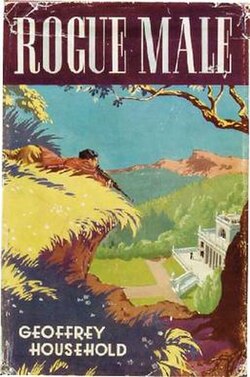


.png)
Ascending Peculiarity: Edward Gorey on Edward Gorey
Ascending Peculiarity: Edward Gorey on Edward Gorey (Harcourt), selected and edited by Karen Wilkin, is a collection of twenty-six years’ worth of interviews of Gorey, the eccentric American artist and writer. He was best known for his intricate pen-
Artists & Writers Colonies: Retreats, Residencies and Respites for the Creative Mind
The title of Artists & Writers Colonies: Retreats, Residencies and Respites for the Creative Mind, by Gail Hellund Bowles (Blue Heron/Orca) just about says it. This is a well-conceived, well-organized and apparently well-researched list of getaways,
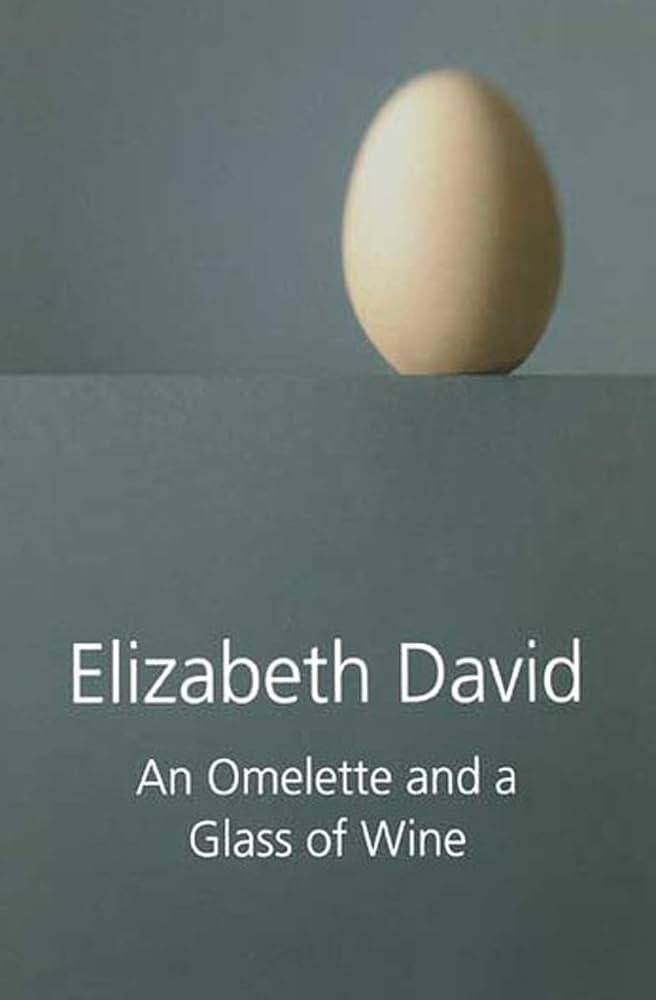
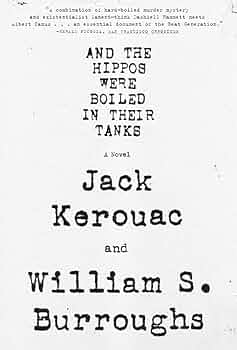

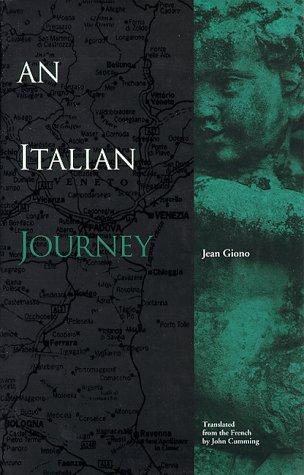
An Italian Journey
Henry Miller named Jean Giono as one of the writers he most admired (a list that includes Knut Hamsun, Blaise Cendrars, and Fyodor Dostoevsky). Giono, who lived most of his life in Manosque, the small Provençal town where he was born, begins An Italian Journey by admitting that he is not a traveller.